The US and Iran have reached an initial agreement to reopen the Strait of Hormuz, but normalization will take months rather than days. Learn what the deal means for importers, freight costs, logistics, and supply chain planning.
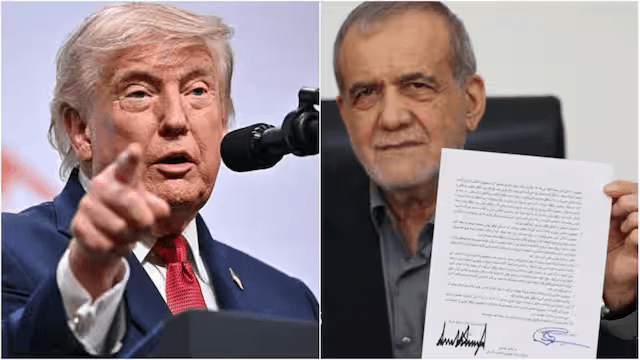
After nearly four months of war, dueling blockades, and the largest disruption in the history of the oil market, the United States and Iran have reached an initial deal to end the conflict and reopen the Strait of Hormuz. The agreement, confirmed June 15, extends the existing ceasefire by 60 days, commits both sides to lift their respective blockades, and is scheduled to be formally signed in Geneva this Friday, mediated by Pakistan.
For importers who have spent the better part of 2026 managing surcharges, rerouting, and supply chain disruption tied to this crisis, the instinct is to treat this as the all-clear signal. It is not - at least not yet. The deal is real and represents genuine progress. But every credible shipping, energy, and logistics analyst covering the story this week is saying the same thing in different words: the reopening will be a trickle, not a flood, and normalization will take months, not days.
This blog explains exactly what has been agreed, what remains unresolved, why the physical reopening is going to be slow regardless of how quickly the paperwork is signed, and what importers should actually be doing with this information right now.
What Has Actually Been Agreed
The memorandum of understanding reached between the US and Iran addresses several things simultaneously. The US will end its naval blockade of Iranian ports, which had been in place since April 13. Iran will end its control over the Strait of Hormuz, which has been closed to normal commercial transit since the war began on February 28. The existing ceasefire is extended by 60 days while further talks continue. And Iran has agreed, at least in principle, to remove the sea mines it laid in the strait during the conflict.
Critically, the deal does not resolve everything. The fate of Iran's nuclear program and the lifting of sanctions are explicitly set aside for the next round of negotiations. Iran's deputy foreign minister has stated that implementation will not begin until the agreement is formally signed - expected this Friday in Geneva. And Iran's chief negotiator has said Tehran intends to charge ships a service fee for transiting the strait, while maintaining that "Iran's sword will remain poised over the Strait of Hormuz indefinitely." This is not the language of a fully resolved conflict - it is the language of a ceasefire with conditions attached.
World leaders have responded with cautious optimism rather than celebration. France, Germany, Italy, and the UK welcomed the deal while calling for "swift implementation." French President Macron noted that Western partners have naval forces in the area ready to assist with restoring shipping traffic once the agreement is finalized. Luxembourg's foreign minister captured the prevailing sentiment succinctly: "It's a long time till Friday."
Why "Reopened" Does Not Mean "Normal" | The Physical Reality
This is the section of the story that matters most for procurement planning, and it is the part most likely to be lost in headline coverage celebrating the deal.
The mine clearance problem. Iran laid sea mines in the Strait during the conflict. Even with an agreement to remove them, mine clearance is a slow, methodical process that cannot be rushed without serious safety risk. Shipping industry safety officials told NBC News this week that they "still consider it very risky for ships to commence transits at this point" - even after the deal was announced. The Strait of Hormuz mine clearance timeline is the first hard constraint on how quickly normal transit can resume, regardless of the diplomatic timeline.
The stranded vessel backlog. Maritime traffic in the strait has been reduced to a trickle for nearly four months, cutting global oil supply by an estimated 14 million barrels per day at its peak. A substantial backlog of vessels - both inside and outside the Gulf - is waiting for conditions to normalize. Stephen Cotton, general secretary of the International Transport Workers' Federation, described the Geneva signing as "at best the beginning" of a normalization process, citing the backlog of stranded vessels and the need for crew changes and rest as factors that mean a realistic return to normal shipping patterns is "weeks, if not months, away."
Industry guidance is consistently measured in months, not days. DHL Global Forwarding's Middle East and Africa unit told customers this week to plan for shipping through the Strait of Hormuz to take at least four to six months to fully normalize. That guidance explicitly recommends planning for continued disruption, chaos, delays, schedule changes, and extra costs to persist for a sustained period - even with a signed deal in hand.
Infrastructure damage needs repair. QatarEnergy's Ras Laffan LNG facility - the world's largest - was damaged early in the conflict and remains under repair. Idled oil production fields across the Gulf need to be restarted. Damaged energy infrastructure across the Persian Gulf requires physical reconstruction before output returns to pre-war levels. None of this happens on a diplomatic timeline; it happens on an engineering and construction timeline.
Port congestion is already building at alternative hubs. Jeddah, Khorfakkan, Sohar, Fujairah, and Salalah are all experiencing severe congestion as vessels that rerouted away from the Gulf during the conflict concentrate at these alternative ports. Even as Hormuz reopens, this congestion will take time to clear and will continue affecting transit reliability on adjacent routes.
What Has Happened to Prices and Markets This Week
The market reaction to the deal has been immediate on the financial side, even though the physical reality lags significantly behind.
Brent crude fell sharply on the news, dropping from the $103 to $113 range that prevailed through May and June to around $83 per barrel as of this week - though prices continue to slide on hopes for a full reopening. Markets are, in the words of one analyst, "front-running the prospective reopening of the Strait of Hormuz" and pricing in something close to a best-case scenario for normalization - which carries its own risk if implementation hits delays or renewed tensions.
European diesel prices have begun retreating from their crisis peaks, with German prices falling from a March peak of €2.44 per liter to around €1.80 today. But freight industry analysts are clear that this relief is partial. European road freight rates, already structurally tight before the crisis due to four consecutive years of margin compression and a wave of carrier insolvencies across France, Poland, and Germany, will not return to early-2026 levels even as fuel costs ease. The capacity shortage that predates this crisis does not resolve just because the energy shock fades.
Container shipping has not seen carriers announce a return to Suez Canal routing despite the Suez Canal Authority confirming passage of an ultra-large containership through the Red Sea this week - the first cautious normalization signal on that separate but related corridor. Major carriers are treating the situation as too volatile for schedule commitments. The Red Sea route to Europe was operating at 49% below pre-crisis capacity before this week's developments, and that capacity has not yet been restored.
What This Means by Region
Asia remains the most exposed region to the speed of actual normalization. China sends roughly 40% of its oil imports through the Strait, Japan sends 70% of its Middle Eastern crude through it, and South Korea faces similar exposure. These economies will feel direct relief only as physical tanker flows resume - not from the diplomatic announcement itself. China has some buffer from strategic reserves, but a sustained slow normalization will require continued competition for alternative Atlantic basin cargoes.
Europe gets 12 to 14% of its LNG from Qatar via the Strait, all of which was disrupted by QatarEnergy's force majeure declaration early in the conflict. Diesel and gas prices are easing, but the European fuel price relief is structurally lagged behind the headline diplomatic news because the underlying supply chain - mine clearance, infrastructure repair, fleet repositioning - operates on its own timeline. European businesses budgeting for a sharp near-term cost relief are likely to be disappointed by the pace of actual improvement.
Indian and other Asian-origin food and agricultural supply chains are in a comparatively favorable position. India received a Strait transit exemption from Iran during the conflict, meaning Indian-flagged and Indian-owned vessels maintained more routing flexibility throughout the disruption than vessels from non-exempted nations. As normalization proceeds, India's logistics infrastructure - already adapted to the Cape of Good Hope routing established during this crisis and the earlier 2023-2024 Red Sea crisis - is well positioned to benefit from whichever pace of normalization actually occurs, without the abrupt operational disruption that fully Gulf-dependent supply chains will experience as routing patterns shift back.
What Importers Should Actually Do Right Now
Do not assume your freight costs will drop immediately. War risk surcharges, Cape of Good Hope rerouting premiums, and capacity-driven rate increases were layered on for nearly four months. They will not disappear the day the Geneva agreement is signed. Expect your carriers and freight forwarders to communicate surcharge changes gradually as actual operational conditions - not diplomatic announcements - change. Budget conservatively for the next two to three months.
Maintain your extended inventory buffers for now. If you extended your stock buffers from 30 days to 45 or 60 days during the crisis, do not unwind that buffer immediately. DHL's four-to-six-month normalization guidance is a credible industry benchmark. Begin planning for a gradual buffer reduction over Q3 2026 rather than an immediate return to pre-crisis inventory levels.
Watch for the actual Friday signing and what follows. The deal as announced is a memorandum of understanding, not a fully executed and implemented agreement. Treat Friday's signing in Geneva as the real starting gun for normalization planning - not this week's announcement. If the signing is delayed or the agreement unravels over unresolved issues like Lebanon or the nuclear program, the disruption picture reverts immediately.
Reassess your routing decisions deliberately, not reflexively. Carriers have not returned to Suez or Hormuz routing at scale, and for good reason - safety officials are still describing transit as risky even post-announcement. Continue planning shipments on currently operational routing (Cape of Good Hope, India transit exemptions where applicable) until your specific carrier confirms a return to standard routing for your specific lane.
Use this window to evaluate supply chain diversification decisions made during the crisis. Many importers built new supplier relationships, qualified new origins, or restructured logistics during the past four months out of necessity. Before reverting fully to pre-crisis sourcing patterns, assess which of those changes actually improved your supply chain resilience and are worth retaining even as the acute crisis fades.
India-origin diversification, in particular, has structural advantages - trade agreement improvements, geopolitical stability, and agricultural production depth - that exist independent of the Hormuz situation and will outlast it.