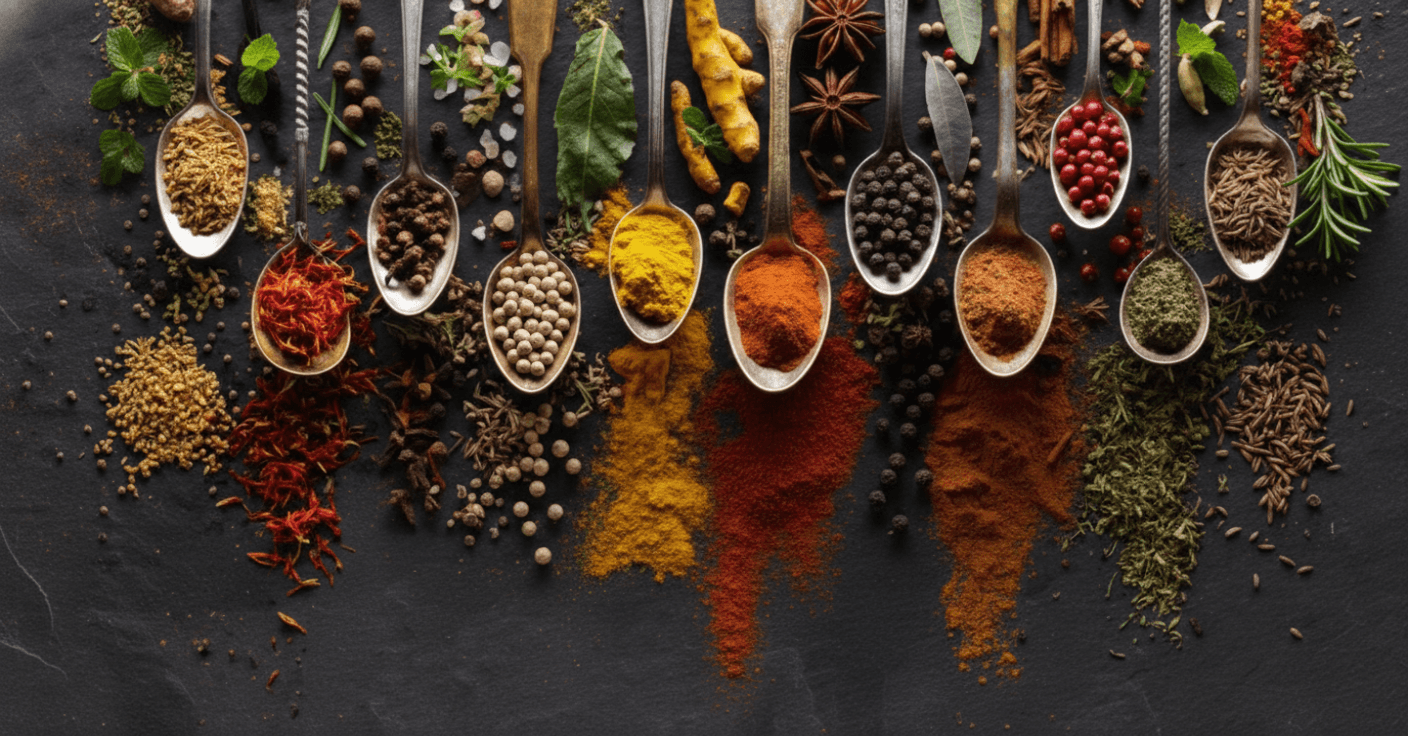
The US is the world's largest spice importer at $466M. Here's what American importers need to know about sourcing Indian spices in 2025 - tariffs, FDA rules, and demand trends.
The US Spice Import Market: A $466 Million Opportunity Most Buyers Are Underestimating
America has always had an enormous appetite for spices. From the cumin in a Tex-Mex seasoning blend to the turmeric in a California wellness supplement to the black pepper ground fresh at a steakhouse table, spices are embedded so deeply in American food culture that most buyers don't stop to think about where they actually come from -or how the sourcing decisions they make today affect what lands on American shelves tomorrow.
The numbers make the appetite concrete. The United States is the world's largest spice importer, with a total US spice import market value of $466 million in 2024, accounting for 11.5% of the global spice trade. And that appetite is growing - imports are projected to rise 6% through 2025 as Hispanic and Asian populations grow, bringing more spice-heavy recipes to American dinner tables. For importers, distributors, and procurement professionals working in the US food industry, this market isn't just big - it's accelerating, and the sourcing decisions made now will determine who captures that growth.
What America Is Actually Buying
While the United States imports more than 40 separate spices, seven of them - vanilla beans, black and white pepper, capsicums, sesame seed, cinnamon, mustard, and oregano - account for more than 75% of the total annual import value. But the composition of what's growing is more interesting than the headline numbers.
Turmeric imports into the US have surged in recent years, driven almost entirely by the wellness market. The USA imports over 20,000 metric tons of turmeric annually, and the organic turmeric import segment is growing at a CAGR of 7.2%, driven by consumer preference for chemical-free, high-curcumin varieties. Turmeric is no longer just a cooking ingredient - it's now a nutraceutical that happens to also be in food. Supplement brands, beverage companies, and cosmetics manufacturers are all competing for the same Indian turmeric supply that food importers have historically dominated.
Cumin has quietly become one of the highest-volume Indian spice imports to the USA, driven by the explosive growth of Latin-influenced cuisine in mainstream American food retail. Cumin is in virtually every taco seasoning, every chili blend, every Southwest-style sauce on supermarket shelves. India is the dominant global supplier, with cumin accounting for 15% of its total spice exports. For American food manufacturers who rely on cumin at scale, understanding that supply chain is no longer optional - it's a core procurement responsibility.
Cardamom, coriander, and chili round out the core Indian spice categories with strong US demand. The US specialty food market - ethnic grocery chains, online spice retailers, foodservice distributors serving Indian and Middle Eastern restaurants - has grown substantially over the past decade, creating entirely new channels for spices that were considered niche a generation ago.
The 2025 Tariff Situation x Good News for American Buyers
For most of 2025, importing Indian spices to the USA carried significant tariff uncertainty following the wave of reciprocal tariffs announced earlier in the year. That changed meaningfully in November. On November 12, 2025, the White House issued an Executive Order exempting Indian spices - including pepper, cumin, and turmeric - from the 50% reciprocal tariffs, making them 20 to 30% cheaper than competing origins for the first time since August.
Combined with the broader US-India trade deal announced in February 2026, which reduced overall tariffs on Indian goods from 50% to 18%, American importers are now operating under the most favorable tariff conditions in years. For procurement teams that had been holding off on building Indian spice supply relationships due to tariff uncertainty, that uncertainty has substantially cleared.
The practical implication is straightforward: landed cost calculations for bulk spice imports from India have improved materially. There is also a margin window worth noting - while landing costs have dropped roughly 20%, US retail prices for turmeric and organic ginger have remained stable through early 2026. That gap represents a real per-unit profit opportunity for importers who lock in contracts before the market adjusts. If you've been sourcing from alternative origins partly for tariff reasons, now is a good time to run the numbers again.
FDA Compliance Where Buyers Get Caught
The tariff situation is good news. The FDA compliance picture is more complex, and it's where inexperienced importers run into real trouble.
FDA refusals for Indian spice shipments hit an all-time high in late 2024 - over 340 refusals in a single month in November 2024, with Salmonella citations appearing 493 times in annual reports. Major brands faced blanket detentions. This is not a small operational footnote. It's a material supply chain risk for any US importer who isn't paying close attention to their supplier's food safety practices.
The core FDA spice import requirements every American buyer needs to understand: the exporting facility must be registered with the FDA; shipments require prior notice filing before arrival at US ports; and products must comply with FDA contamination limits on pesticide residues, heavy metals, and microbial contamination. For turmeric specifically, maximum permissible lead content is no more than 0.1 ppm. Labels must specify the country of origin and comply with FDA food labeling regulations.
Additionally, if you're repacking, blending, or storing spices for resale in the US, FSMA Preventive Controls apply to your operation - a compliance layer many smaller distributors aren't fully prepared for.
The practical fix requires discipline in supplier selection. Steam sterilization certification from the exporting facility is the most reliable way to clear FDA Salmonella testing. FSSAI certification, independent lab testing results, and certificates of analysis (COA) from the Indian side are baseline requirements - not optional extras. For organic spice imports, USDA NOP certification is required to label products as organic in the US market, and USDA Organic-certified turmeric commands a 25 to 30% price premium at the wholesale level compared to conventional varieties.
The importers with consistent FDA clearance records are those with direct relationships with certified manufacturing exporters - not traders who aggregate from multiple unvetted farms. That distinction matters enormously when an FDA inspector is reviewing your shipment history.
The Demand Trends Driving the Next Five Years
Three structural trends are reshaping what American importers should be building into their spice portfolios right now.
The first is the organic spice market USA trajectory. The organic and clean-label segment is growing at roughly double the speed of conventional spices. Retailers are increasingly demanding organic certification as a shelf placement requirement, not a premium tier option. For importers who haven't yet built organic-certified supply relationships with Indian exporters, the window to do so before competition intensifies is narrowing.
The second is functional and blended spices. Spices are breaking out of the flavor category entirely and entering health and wellness. Turmeric-ginger-black pepper combinations for immunity, cumin-coriander blends for digestion, cardamom in adaptogenic beverages - these are now viable commercial product lines, not fringe products. This creates demand for spice specifications that food manufacturers and supplement brands have never historically purchased: higher curcumin content, standardized extract concentrations, pharmaceutical-grade cleanliness. Indian exporters are increasingly capable of meeting these specifications, and American importers who can bridge that demand to the right Indian supply chain are in a strong position.
The third is demographic demand. The US Hispanic population now exceeds 65 million, and the South Asian and Middle Eastern diaspora communities represent tens of millions more. These communities drive disproportionate per-capita spice consumption, and their food preferences - cumin-heavy, turmeric-forward, cardamom-rich - map almost perfectly onto India's export strengths. Mainstream American retail is following this demographic shift, stocking spice ranges that would have been considered specialty items a decade ago.
Building a Reliable Indian Spice Supply Chain
For American buyers evaluating or expanding their Indian spice sourcing, the practical architecture of a reliable supply chain comes down to a few non-negotiable elements.
Supplier certification is the foundation. FSSAI certification, FDA facility registration, and independent third-party lab testing are baseline requirements for any Indian exporter you're going to stake your supply chain on. For the organic segment, USDA NOP certification on the Indian side is essential. Ask for full documentation before your first order - not after a refusal.
Understanding INCOTERMS matters more than most first-time importers expect. Whether you're buying FOB, CIF, or DAP affects who bears the freight cost, who manages insurance, and where risk transfers from seller to buyer. Get clarity on this before signing any purchase contract, and work with a licensed US customs broker to manage the import declaration and CBP clearance process on your end.
Direct relationships with manufacturers - not traders - matter more in spices than in almost any other commodity. The contamination risks that drive FDA refusals almost always originate in aggregation: multiple farm origins, inconsistent post-harvest handling, and inadequate traceability. A manufacturer with controlled processing and verifiable farm sourcing removes most of that risk.
Volume planning matters more than most buyers realize. Indian spice prices are subject to seasonal auction dynamics and weather-driven yield variations. Buyers operating purely on spot purchasing get caught paying peak-season prices when supply tightens. Forward contracting your core volume - even one or two seasons ahead - gives you cost predictability and supply priority that spot buyers simply don't have.
The US-India trade deal 2026 has also made it worth revisiting port-of-entry economics. With tariffs on Indian goods reduced from 50% to 18%, the all-in landed cost of bulk spice imports from India has shifted favorably - and it's worth running a fresh comparison against any alternative origins you've been using for tariff-driven reasons.
Why Bayharbor Exports
At Bayharbor Exports, we supply the full range of Indian spices most in demand in the American market - turmeric, cumin, coriander, black pepper, cardamom, red chili, and spice blends - in both conventional and organic-certified variants. Every product carries FSSAI certification, and we provide the quality documentation, lab testing, and certificates of analysis that American importers need to clear FDA inspection without surprises.
We understand that US buyers need consistency across shipments, documentation that holds up to FDA scrutiny, and a supplier relationship that gives you visibility into supply conditions before they affect your cost. If you're building or expanding your spice import business USA, we're the right partner to do it with.
Our guide on how American importers can benefit from the US-India trade deal 2026 covers the full tariff picture if you want to see what the February 2026 agreement means for your landed costs in detail.
Frequently Asked Questions
What certifications should I require from an Indian spice exporter before placing an order?
What are the main documents required to import Indian spices into the USA?
How has the US-India trade deal changed the cost of importing Indian spices?
Why did FDA refusals for Indian spices spike in late 2024, and how do I avoid them?
What is the difference between FOB and CIF pricing for Indian spice imports?
What is the minimum order quantity for Indian spice imports to the USA?
Is organic spice sourcing from India commercially viable for US buyers?
The Bottom Line
The US spice import market is $466 million and growing, tariffs on Indian spices are at their lowest in years, and consumer demand across organic, functional, and ethnic food categories is pulling in the same direction - toward more Indian spices on American shelves. The macro environment has rarely been this favorable for American importers who want to build or strengthen an Indian spice supply chain.
The buyers who will capture the most value from this moment are the ones who approach it with supplier discipline - certified exporters, direct manufacturer relationships, clean documentation, and forward-contracted volume. The opportunity is real. The execution is what separates importers who take advantage of it from those who watch it pass.
Ready to build your Indian spice supply chain? Reach out to Bayharbor Exports to discuss product availability, pricing, certifications, and how we can support your US sourcing needs.