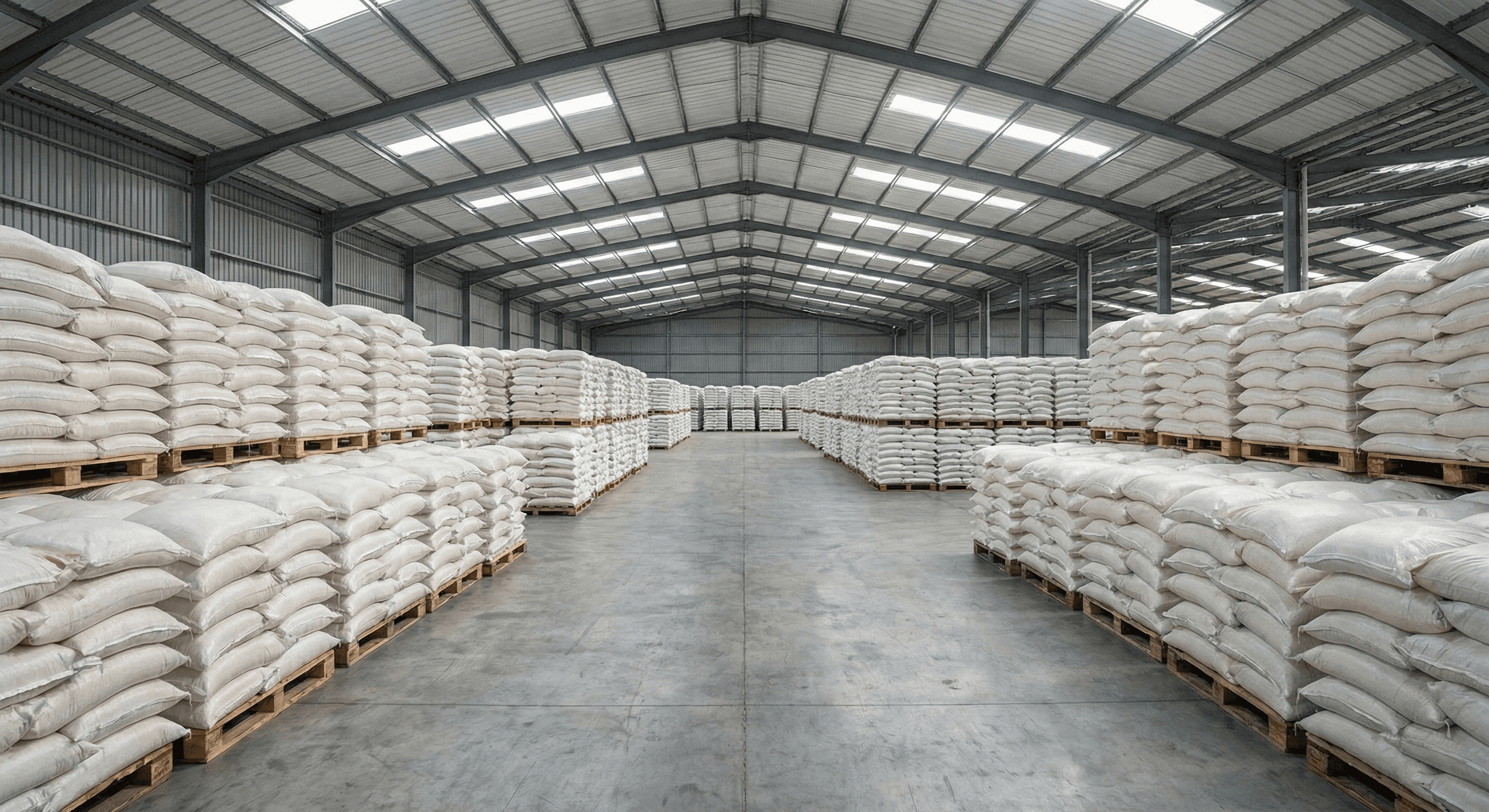
Discover the top 5 profitable uses of broken rice in 2026. From animal feed to brewing, learn market demand, pricing, quality specs and find reliable Indian suppliers.
5 Profitable Uses of Broken Rice: Animal Feed, Brewing & Beyond (2026 Guide)
Broken rice has transformed from a byproduct into a valuable commodity with multiple industrial applications. In 2026, global demand for broken rice continues to rise across diverse sectors, making it an attractive export opportunity for Indian suppliers and a cost-effective raw material for manufacturers worldwide.
With India offering competitive pricing at $350-$360 per ton and growing demand from multiple industries, understanding the profitable uses of broken rice is essential for exporters, importers, and manufacturers looking to capitalize on this expanding market.
What is Broken Rice?
Broken rice consists of rice kernels that break during milling, drying, or processing. Rather than being a waste product, broken rice has become a sought-after commodity due to its lower price point and versatility across multiple industries.
Broken Rice Grades:
- •Grade A (Large Broken): 50-75% of whole grain size, premium applications including food processing and brewing.
- •Grade B (Medium Broken): 25-50% of whole grain size, suitable for animal feed, pet food, and certain food manufacturing processes.
- •Grade C (Small Broken/Chips): Less than 25% of whole grain size, primarily used in animal feed, distillation, and industrial applications.
The broken percentage can range from 5% to 100%, with different industries requiring specific grades based on their processing needs and quality standards.
Why Broken Rice Demand is Growing in 2026
Several market factors are driving increased global demand for broken rice:
- •Competitive pricing makes broken rice significantly cheaper than whole grain rice, offering cost advantages for manufacturers.
- •The expanding animal feed industry worldwide requires affordable, nutritious grain alternatives.
- •Growth in craft brewing and distilling industries increases demand for brewing-grade broken rice.
- •Rising pet food manufacturing, particularly premium pet food segments, creates new market opportunities.
- •Food security concerns globally drive demand for affordable staple ingredients.
- •The versatility across multiple industries ensures consistent demand regardless of seasonal fluctuations.
- •India's position as a major rice producer and exporter, combined with competitive pricing, makes Indian broken rice particularly attractive to international buyers.
Use 1: Animal Feed Industry
The animal feed industry represents the largest and most consistent market for broken rice globally. Broken rice provides an excellent energy source for livestock, poultry, and aquaculture due to its high carbohydrate content and digestibility.
Market Applications:
- •Poultry feed utilizes broken rice as an energy source for chickens, ducks, and other poultry. The easily digestible carbohydrates support growth and egg production.
- •Cattle and dairy feed incorporates broken rice to supplement traditional grain feeds, providing cost-effective energy particularly during feed shortages or price spikes.
- •Pig feed benefits from broken rice's high energy content and palatability, making it ideal for swine nutrition programs.
- •Aquaculture feed, especially for fish farming operations, uses broken rice as a binding agent and energy source in fish feed pellets.
Feed Quality Requirements:
- •Moisture content should not exceed 14% to prevent spoilage and maintain storage stability.
- •Foreign matter must be minimal, typically under 1%, to ensure feed quality.
- •The product must be free from pests, mold, or contamination.
- •Aflatoxin levels must meet international safety standards for animal consumption.
Market Demand and Pricing:
Animal feed manufacturers typically purchase broken rice in bulk quantities, from container loads to vessel shipments.
- •Current pricing for feed-grade broken rice from India ranges from $300-$380 per metric ton FOB, depending on quality grade and specifications.
- •Major importing regions include Middle East countries (UAE, Saudi Arabia, Oman) with large livestock industries, African nations (Nigeria, Senegal, Ghana) with growing poultry sectors, and Southeast Asian countries with significant aquaculture operations.
The animal feed market offers volume-based opportunities with consistent, year-round demand, making it an excellent foundation for broken rice export businesses.
Use 2: Brewing and Distilling Industry
The brewing and distilling industries represent one of the most profitable markets for broken rice, particularly Grade A and B varieties. Broken rice serves as an adjunct in beer production, providing fermentable sugars while reducing costs compared to traditional malted barley.
Applications in Brewing:
- •Beer production incorporates broken rice as an adjunct grain, typically comprising 10-40% of the grain bill in certain beer styles.
- •Asian lagers, light beers, and mass-market beers frequently use rice adjuncts to achieve lighter body, crisp finish, and neutral flavor profiles.
- •Rice enhances beer clarity, creating brilliantly clear products without extensive filtration.
- •It reduces protein content in the final beer, improving stability and shelf life.
- •The use of broken rice allows breweries to achieve desired flavor profiles while managing ingredient costs effectively.
Distilling Applications:
- •Spirit production utilizes broken rice in distilling processes for neutral spirits, vodka, and traditional rice-based spirits.
- •The high starch content converts efficiently to fermentable sugars, yielding excellent alcohol production rates.
- •Ethanol production for industrial and fuel ethanol uses broken rice as a cost-effective feedstock, with growing demand in countries promoting biofuel alternatives.
Quality Specifications for Brewing:
- •Brewers require specific quality parameters including moisture content below 14%, minimal broken percentage variation within shipments, and low foreign matter content (under 0.5%).
- •The rice must be free from off-odors, mold, or contamination that could affect final product quality.
- •Starch content should be high, typically 70-80%, to ensure optimal conversion during the brewing process.
- •Some breweries request specific testing for pesticide residues and heavy metals to meet their quality standards.
Market Pricing and Demand:
- •Brewing-grade broken rice commands premium pricing compared to feed-grade, typically ranging from $400-$500 per metric ton FOB from India.
- •Craft breweries, regional brewers, and large commercial breweries across North America, Europe, Asia, and Australia actively source brewing-grade broken rice.
- •The craft beer boom has particularly increased demand for various rice types as brewers experiment with adjunct grains to create unique flavor profiles and manage costs.
Use 3: Pet Food Manufacturing
The pet food industry has emerged as a rapidly growing market for broken rice, driven by the expansion of premium and natural pet food segments globally. Broken rice provides an easily digestible carbohydrate source for both dog and cat food formulations.
Applications in Pet Food:
- •Dry kibble production uses broken rice as a primary carbohydrate source and binding agent in extruded pet food products. The rice helps form the kibble structure while providing nutritional value.
- •Wet pet food formulations incorporate broken rice to add texture, bulk, and nutritional content to canned and pouched products.
- •Grain-free alternatives sometimes use broken rice in "limited ingredient" formulations for pets with sensitivities to other grains like wheat or corn.
- •Premium natural pet food brands increasingly feature rice as a wholesome, recognizable ingredient that appeals to pet owners seeking quality nutrition.
Nutritional Benefits:
- •Broken rice offers easy digestibility, making it suitable for pets with sensitive stomachs or digestive issues.
- •It provides clean energy from carbohydrates without common allergens found in wheat or corn.
- •The hypoallergenic nature of rice makes it a safe choice for pets with food sensitivities.
- •Rice contributes to coat health and provides essential B vitamins when enriched, supporting overall pet wellness.
Quality Standards:
- •Pet food manufacturers require stringent quality controls including human-grade or feed-grade certification depending on premium positioning.
- •Moisture content must be below 13% to prevent mold during storage and processing.
- •Products must be completely free from aflatoxins, pesticides, and heavy metals that could harm pets.
- •Microbiological testing ensures safety, with zero tolerance for salmonella and e.coli.
- •Many premium brands require suppliers to meet specific certifications like HACCP, ISO 22000, or equivalent food safety standards.
Market Opportunity:
- •The global pet food market continues robust growth, driven by pet humanization trends and increasing pet ownership in developing countries.
- •Premium and super-premium segments command higher prices, with manufacturers willing to pay $450-$600 per metric ton for quality broken rice meeting strict specifications.
- •Major pet food manufacturing hubs in North America, Europe, Australia, and increasingly Asia actively source broken rice.
- •This market offers excellent margins for suppliers who can consistently meet quality standards and provide necessary certifications.
Start Your Broken Rice Import/Export Journey
Connect with Bayharbor Exports Pvt. Ltd.
Your reliable partner for quality broken rice across all grades and applications.
Email: info@bayharborexports.com
WhatsApp: +918800826659
Get Started Today: Request Custom Quote
Last Updated: January 2026
Disclaimer: Prices and market conditions are subject to change based on supply, demand, and other market factors. Always verify current pricing and specifications directly with suppliers. This content is for informational purposes only and does not constitute trading or investment advice.