Step-by-step guide to exporting Indian processed foods to Europe. Learn EU food safety regulations, labeling requirements, market opportunities and India-EU FTA benefits for processed food exporters.
Complete Guide to Exporting Indian Processed Foods to European Markets in 2026
Meta Title: How to Export Processed Food from India to Europe: Complete Guide 2026
Meta Description: Step-by-step guide to exporting Indian processed foods to Europe. Learn EU food safety regulations, labeling requirements, market opportunities & India-EU FTA benefits for processed food exporters.
Why European Markets for Indian Processed Foods
The European Union represents one of the world's most lucrative markets for processed food products, with annual imports exceeding €100 billion. With the historic India-EU Free Trade Agreement signed in January 2026, Indian processed food exporters gain unprecedented access to European markets through dramatic tariff reductions on products including bread, pastries, biscuits, pasta, chocolate, and pet food, with current duties of up to 33% being eliminated.
European consumers increasingly seek authentic ethnic foods, convenient ready-to-eat meals, and healthy snack options. The growing South Asian diaspora across UK, Germany, Netherlands, France, and other European countries drives consistent demand for traditional Indian processed foods, while mainstream European consumers discover Indian flavors through restaurants and specialty stores. This dual market dynamic creates exceptional opportunities for Indian food processors ready to meet European standards.
Beyond retail opportunities, European food service sector including hotels, restaurants, catering companies, and institutional feeding operations requires consistent supplies of quality ingredients and ready-to-use products. Indian processed foods offering authentic flavors, competitive pricing, and reliable supply chains can capture significant market share across multiple channels.
Understanding EU Food Safety Regulations
European Commission Food Safety Framework
All food products entering European Union markets must comply with comprehensive food safety regulations administered by the European Commission's Department for Health and Food Safety. These regulations establish science-based standards protecting consumers while ensuring fair trade practices. For Indian exporters, understanding and implementing these requirements is non-negotiable for market access.
EU food safety legislation covers every aspect from raw material sourcing to manufacturing processes, packaging materials, labeling requirements, and distribution practices. The framework emphasizes traceability ensuring every product can be tracked from origin to consumer, hazard analysis and critical control points (HACCP) implementation, maximum residue limits for pesticides and contaminants, microbiological criteria, and proper labeling with comprehensive information.
Registration and Approval Requirements
Before exporting processed foods to Europe, Indian food processors must register their facilities with appropriate EU authorities. While not all products require pre-market approval, certain categories including novel foods, foods with health claims, and products of animal origin face additional scrutiny. Understanding which category your products fall under determines the approval pathway and timeline.
Indian food processing facilities must be approved by FSSAI (Food Safety and Standards Authority of India) as the competent authority. FSSAI certification serves as the foundation for EU market access, with EU authorities recognizing FSSAI's role in verifying Indian food safety standards. Additional certifications from EU-recognized inspection bodies may be required depending on product type and destination country requirements.
Hazard Analysis and Critical Control Points (HACCP)
HACCP certification is essential for processed food exports to Europe. This systematic approach to food safety identifies potential hazards in production processes and establishes critical control points to prevent contamination. EU buyers expect suppliers to implement robust HACCP systems with documented procedures.
Implementing HACCP involves conducting thorough hazard analysis identifying biological, chemical, and physical risks, determining critical control points where hazards can be controlled, establishing critical limits for each control point, implementing monitoring procedures, establishing corrective actions when deviations occur, and verifying system effectiveness through regular audits. Many Indian food processors already implement HACCP for domestic markets, but European expectations may require enhanced documentation and verification procedures.
Major Processed Food Categories for Europe
Ready-to-Eat Meals and Curries
Pre-packaged Indian curries, dal preparations, rice dishes, and complete meals in retort pouches or frozen formats find strong demand in European markets. UK alone imports over £500 million worth of Indian ready meals annually, while Germany, Netherlands, and France show rapid growth. The India-EU FTA's duty elimination on processed foods significantly improves competitiveness against existing suppliers.
Successful ready-to-eat products balance authentic flavor with European taste preferences, use high-quality ingredients with clear sourcing, implement proper sterilization or freezing maintaining quality, design packaging appealing to European consumers, and provide clear heating instructions in local languages. Shelf-stable retort products offer distribution advantages over frozen items requiring cold chain infrastructure.
Snacks and Savory Products
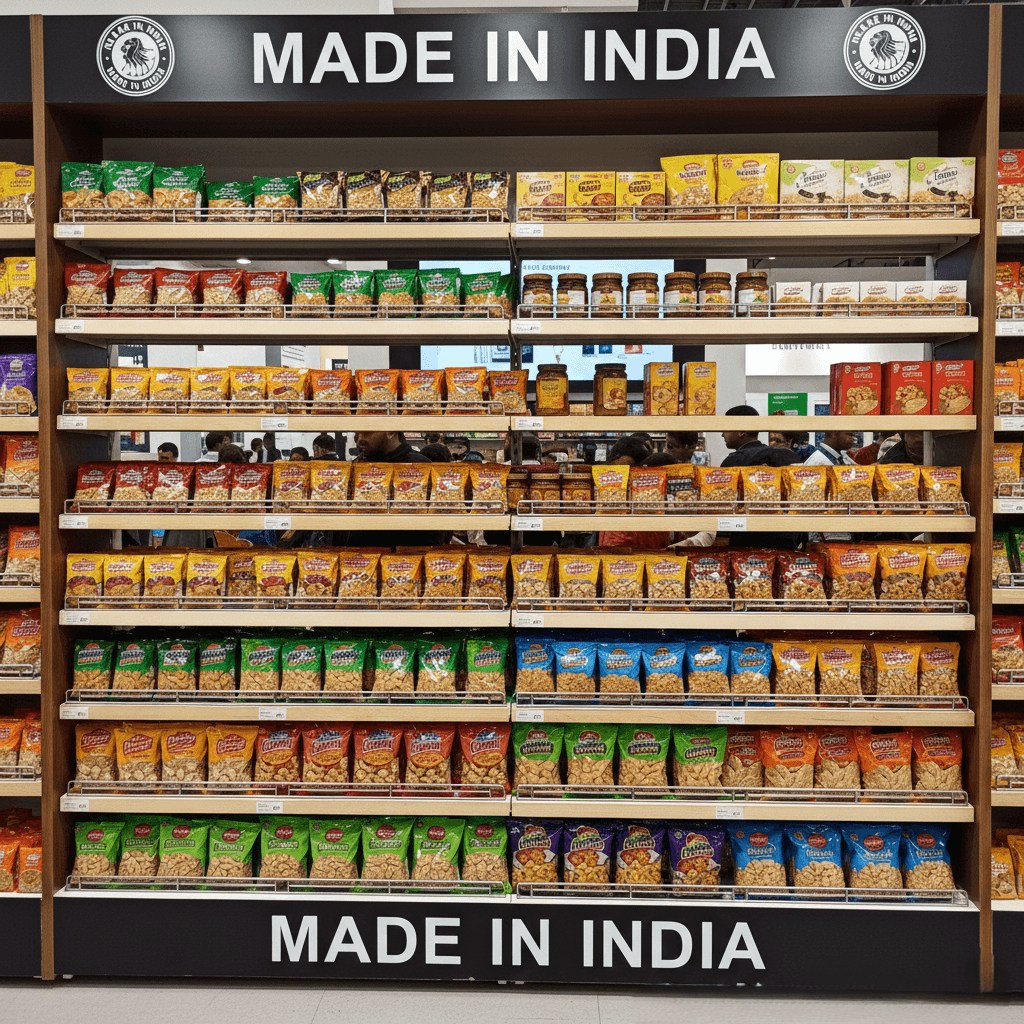
Traditional Indian snacks including namkeen, chakli, murukku, banana chips, and roasted nuts appeal to both diaspora communities and health-conscious European consumers seeking alternatives to conventional snacks. The European snack food market exceeds €80 billion annually with growing interest in ethnic and healthier options.
Successful snack exporters focus on consistent quality and flavor, appropriate packaging protecting freshness and providing convenience, clear ingredient lists highlighting natural components, competitive pricing within European market norms, and compliance with EU regulations on additives and labeling. Positioning as healthier alternatives to fried potato chips or emphasizing traditional recipes and authentic ingredients can differentiate products in competitive markets.
Pickles, Chutneys, and Condiments
Indian pickles, chutneys, and condiment products complement the growing popularity of Indian cuisine in European restaurants and homes. These products typically command premium pricing in specialty stores and ethnic food sections of mainstream supermarkets. Long shelf life and ambient storage requirements make distribution economically viable.
Quality parameters for condiments include maintaining consistent flavor profiles batch to batch, using quality spices and ingredients visible in products, achieving proper preservation, preventing spoilage, implementing tamper-evident packaging assuring consumers, and providing appealing labels with usage suggestions. European consumers appreciate products with clear ingredient lists avoiding artificial preservatives and colors.
Spice Blends and Masalas
Pre-mixed spice blends offer convenience for European consumers and restaurants exploring Indian cooking. Products like garam masala, curry powder, tandoori masala, biryani masala, and specialty blends cater to different cooking applications and regional preferences. Under the FTA, these blended products benefit from processed food tariff eliminations.
Successful spice blend exporters ensure freshness through proper packaging often using foil pouches with one-way valves, provide recipe suggestions and cooking instructions, maintain consistency in blend ratios and flavor intensity, clearly label ingredients meeting EU allergen requirements, and offer various sizes from consumer packs to food service bulk packaging.
Bakery and Confectionery Products
Traditional Indian sweets, biscuits, and bakery items find markets among diaspora communities and adventurous European consumers. Products like barfi, ladoo, jalebi, and traditional biscuits can be positioned as premium ethnic treats. European bakery and confectionery imports exceed €40 billion annually with growing interest in global flavors.
Key success factors include extended shelf life through proper formulation and packaging, attractive presentation appealing to gift-giving occasions, clear ingredient lists particularly regarding milk, nuts, and allergens, competitive pricing versus local European confectionery, and compliance with EU sugar content and nutritional labeling rules.
EU Labeling Requirements for Processed Foods
Mandatory Label Information
European food labeling regulations are among the world's most comprehensive, requiring detailed information enabling consumers to make informed purchasing decisions. All processed food labels must include product name clearly describing what it is, ingredients list in descending order by weight with allergens highlighted, net quantity in metric units, date marking (use-by or best-before dates), storage instructions if applicable, name and address of food business operator responsible for product, country of origin for certain products, and nutritional declaration showing energy, fat, carbohydrates, protein, salt, and optionally other nutrients.
Labels must be in the official language(s) of the destination country. For products sold across multiple EU markets, multilingual labels are common. Information must be clearly legible with minimum font sizes specified in regulations. Working with experienced European importers or labeling consultants ensures compliance, preventing costly rejections at customs.
Allergen Declaration
EU regulations require clear allergen labeling for fourteen major allergens including cereals containing gluten, crustaceans, eggs, fish, peanuts, soybeans, milk, nuts, celery, mustard, sesame seeds, sulfur dioxide and sulfites, lupin, and mollusks. Allergens present in products must be emphasized in ingredients lists through different fonts, style, background color, or bold type.
For Indian processed foods often containing multiple spices, nuts, milk products, and other potential allergens, careful formulation documentation and clear labeling are essential. Cross-contamination during processing must be prevented or disclosed through "may contain" statements where appropriate.
Nutritional Information
Nutritional declarations are mandatory on most processed foods sold in Europe. The declaration must include energy value in both kilojoules and kilocalories, fat (with saturates), carbohydrates (with sugars), protein, and salt. This information must be presented per 100g or 100ml, optionally with per-serving information as well.
Indian food processors should conduct proper nutritional analysis through accredited laboratories rather than relying on calculations or estimates. European buyers and authorities may verify nutritional information, with inaccuracies leading to product recalls or legal issues.
Market Entry Strategies for Europe
Identifying Target Markets
The European Union comprises 27 diverse countries with varying consumer preferences, distribution structures, and market maturity for ethnic foods. Successful exporters typically focus initially on 2-3 key markets building strong positions before expanding.
The UK (though no longer in EU, relevant for comparison), Germany, Netherlands, and France represent primary targets for Indian processed foods based on market size, diaspora populations, and openness to international cuisines.
Germany's large population (84 million), high purchasing power, and growing South Asian community make it attractive for premium processed foods. The Netherlands serves as a distribution hub with Rotterdam facilitating product flow throughout Europe. France's appreciation for quality foods and culinary diversity creates opportunities for authentic Indian products positioned as premium offerings.
Distribution Channel Options
European distribution for processed foods involves multiple channels each requiring different approaches. Mainstream supermarket chains like Tesco, Carrefour, Aldi, Lidl, and Edeka offer volume potential but demand consistent supply, competitive pricing, private label opportunities, and strict compliance standards. Ethnic food stores serve diaspora communities providing steady demand for authentic products with less price pressure and more flexibility on packaging and specifications.
Specialty food retailers including organic stores, gourmet shops, and delicatessens target premium segments willing to pay for quality and uniqueness. Food service distributors supply restaurants, hotels, and catering companies requiring bulk packaging and food service specifications. E-commerce platforms like Amazon, ethnic food websites, and direct-to-consumer models grow rapidly offering lower entry barriers and direct customer relationships.
Building Importer Relationships
Successful European market entry requires strong partnerships with local importers and distributors who understand regulatory requirements, maintain established customer relationships, provide market intelligence and feedback, handle logistics and documentation, and offer payment security for new suppliers. Identifying and evaluating potential partners involves research through trade directories, industry associations, and online resources, participation in trade fairs like Anuga, SIAL, and specialty food shows, and direct outreach to companies handling similar product categories.
When approaching importers, provide comprehensive information including product specifications, certifications, pricing, minimum order quantities, and payment terms. Samples demonstrating quality are essential. Many importers prefer initial trial orders establishing reliability before committing to larger volumes or annual contracts.
Logistics and Supply Chain Considerations
Packaging for European Markets
Packaging for processed food exports must protect product integrity during shipping and storage while appealing to European consumers. Food-grade materials complying with EU regulations on food contact materials are mandatory. Packaging should provide adequate barrier properties preventing moisture, oxygen, and light degradation, tamper-evident seals assuring consumers of product safety, clear labeling visible and readable, and appropriate sizing matching European consumer preferences.
Many Indian food processors use traditional packaging suitable for domestic markets but inadequate for European distribution. Investing in modern packaging equipment and materials specifically designed for export markets prevents product losses and enhances marketability. Vacuum packaging, modified atmosphere packaging, and retort pouches extend shelf life while maintaining quality.
Shipping and Documentation
Exporting processed foods to Europe requires comprehensive documentation ensuring smooth customs clearance. Essential documents include commercial invoice with complete product descriptions, packing list detailing container contents, bill of lading or airway bill, health certificate from FSSAI or designated authorities, certificate of origin potentially qualifying for FTA benefits, analysis certificates showing compliance with EU standards, and halal certification if applicable for Muslim markets.
Working with experienced freight forwarders familiar with EU food import procedures prevents delays and additional costs. Sea freight typically takes 20-30 days from Indian ports to European destinations providing economical shipping for bulk volumes. Air freight suits urgent shipments, samples, or high-value products where speed justifies premium costs.
Why Choose Bayharbor Exports for Processed Food
MarketsEU Compliance Expertise
Bayharbor Exports understands European food safety regulations, labeling requirements, and documentation procedures ensuring your processed foods meet all compliance requirements. Our export team provides guidance on HACCP implementation, allergen management, nutritional labeling, and traceability systems meeting EU expectations.
Quality Assurance Systems
Our multi-stage quality control processes include raw material verification, in-process monitoring, finished product testing, packaging integrity checks, and documentation review. We maintain relationships with EU-recognized laboratories providing testing and certification services validating compliance before shipment.
European Market Knowledge
Years of supplying European markets mean we understand buyer preferences, pricing dynamics, and competitive positioning across different countries. We can advise on product formulations, packaging designs, and market entry strategies optimized for specific European markets.
FTA Benefits Optimization
With the India-EU Free Trade Agreement eliminating tariffs on processed foods, we help exporters maximize benefits through proper rules of origin documentation, self-certification procedures, and tariff classification ensuring you capture full duty savings improving competitiveness and margins.
Next Steps for European Market Entry
For food processors ready to explore European opportunities, the pathway forward involves assessing products for European market suitability and compliance requirements, obtaining necessary certifications including FSSAI, HACCP, and product-specific approvals, developing EU-compliant packaging and labeling, identifying target markets and potential importers, preparing samples and marketing materials, and participating in trade fairs or trade missions facilitating buyer connections.
Bayharbor Exports can support each step whether you're exploring European markets for the first time or expanding existing business. Our experience, connections, and compliance expertise accelerate market entry while minimizing risks and avoiding costly mistakes.
Contact Bayharbor Exports today to discuss your products, understand EU requirements, and develop your European market entry strategy.
Bayharbor Exports - Your Gateway to European Processed Food Markets